Lesson 1: The 8-Wave Cycle and the 5–3 Structure in Elliott Wave
Every pattern in Elliott Wave — from the Zigzag and Flat to the Diagonal — is built on a single foundation: the 8-wave cycle with a 5–3 structure.
Ralph Nelson Elliott codified the wave cycle in the 1930s: a complete market cycle consists of exactly 8 waves, divided into a 5-wave motive phase and a 3-wave corrective phase. This is the foundation of the entire Elliott Wave theory.
What Does a Complete Elliott Wave Cycle Consist Of?
A complete Elliott wave cycle consists of 8 waves divided into 2 consecutive phases:
- Motive phase: 5 waves, numbered 1–5, moving in the direction of the larger trend.
- Corrective phase: 3 waves, labeled A–B–C, moving against the main trend.
In total: 5 + 3 = 8 waves = 1 complete cycle.
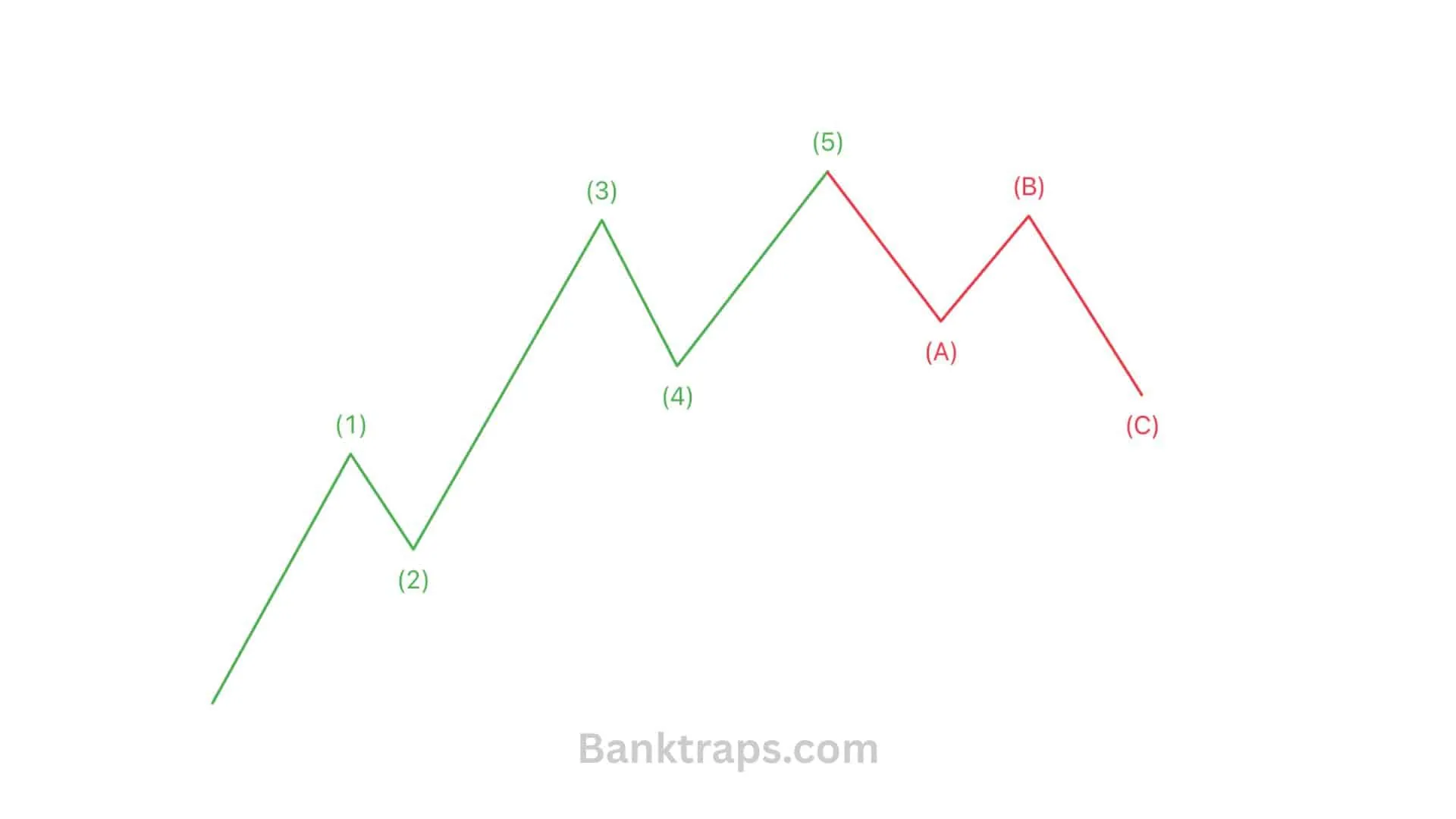 Figure 1: Diagram of a complete 8-wave Elliott Wave cycle
When you look at any chart, you will see the market continuously creating advancing moves followed by retreating moves. That is precisely the 5–3 structure at work, whether you recognize it or not.
Why 5 motive waves and 3 corrective waves, and not some other number? The answer is very simple:
- 1 wave: no oscillation → not a market.
- 3 waves in each direction: there is oscillation, but if both the advance and the decline have 3 waves, the net trend is zero.
- 5 waves in the main direction + 3 waves in the opposite direction: this is the minimum structure that allows the market to both oscillate and create a trend.
In short: 5–3 is not a convention Elliott invented — it is the most efficient structure nature has found to create a trend with oscillation.
The Motive Wave Structure: 5 Waves Moving in the Direction of the Main Trend
The motive phase consists of 5 waves, but not all 5 move in the same direction.
The odd-numbered waves (1, 3, 5) are motive (impulse) waves: they push price in the direction of the main trend, rising in an uptrend and falling in a downtrend.
The even-numbered waves (2, 4) are corrective waves (corrections): they temporarily move in the opposite direction, but do not erase all the progress of the preceding wave.
The important thing to remember: waves 2 and 4 are not "mistakes" by the market — they are a mandatory condition for the trend to be able to continue. Without waves 2 and 4, there would be no oscillation to form the 5-wave structure, and no wave cycle could form.
The three hard rules of the motive phase:
| Rule | Content |
|---|---|
| Rule 1 | Wave 2 never exceeds the starting point of wave 1 |
| Rule 2 | Wave 3 is never the shortest of the three waves 1, 3, and 5 |
| Rule 3 | Wave 4 does not overlap the price territory of wave 1 |
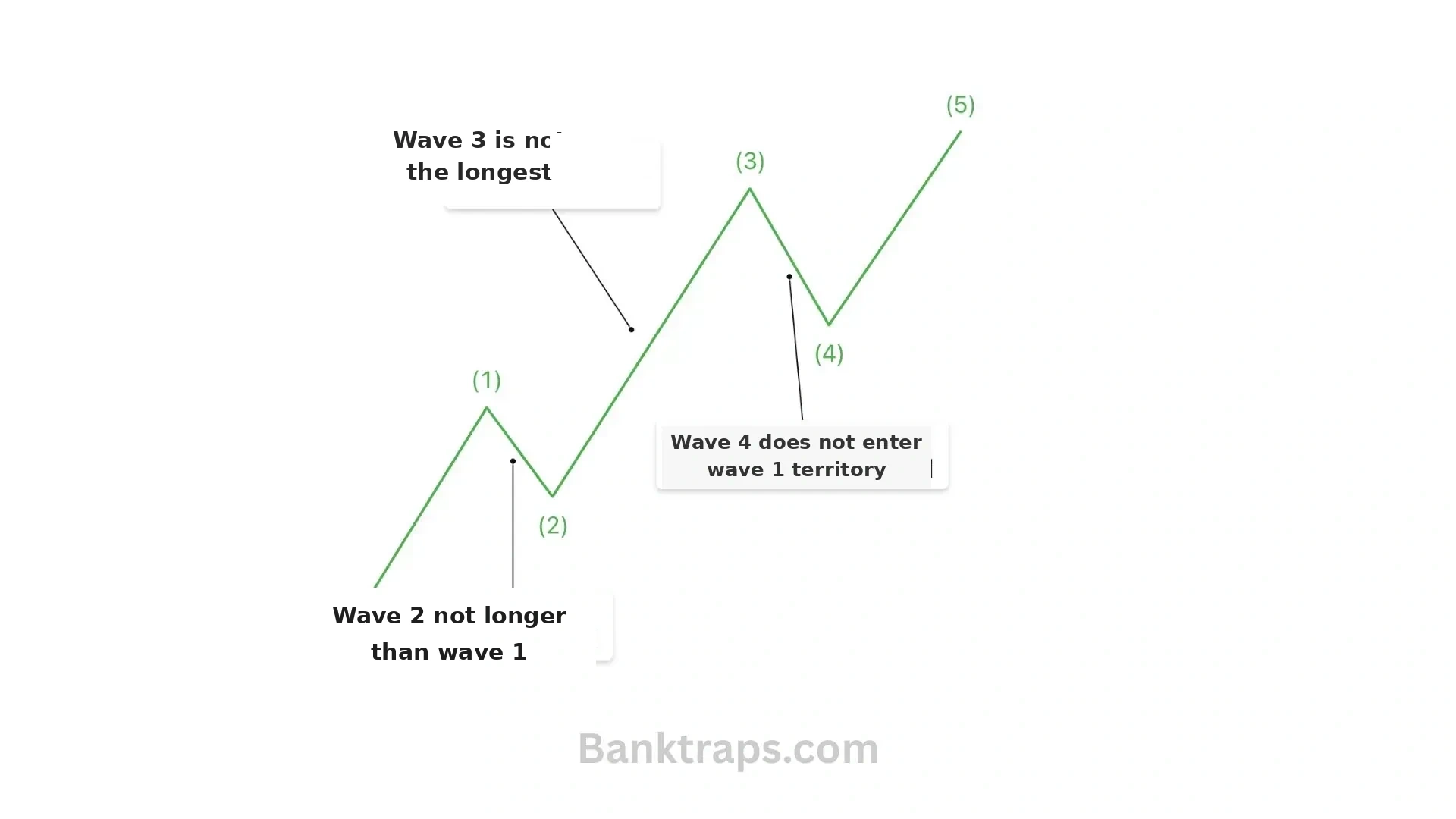 Figure 2: Elliott motive waves in an uptrend
If your wave count violates any of the rules above → that count is wrong.
The Corrective Wave Structure: 3 Waves That Reverse and Complete the Cycle
After the motive phase ends, the corrective phase begins with 3 waves A–B–C.
In an uptrend, the typical structure is as follows:
- Wave A: declines — this is the first motive wave of the corrective phase.
- Wave B: rises in the opposite direction — it may or may not break the top of wave 5.
- Wave C: declines further — usually taking price below the bottom of wave A.
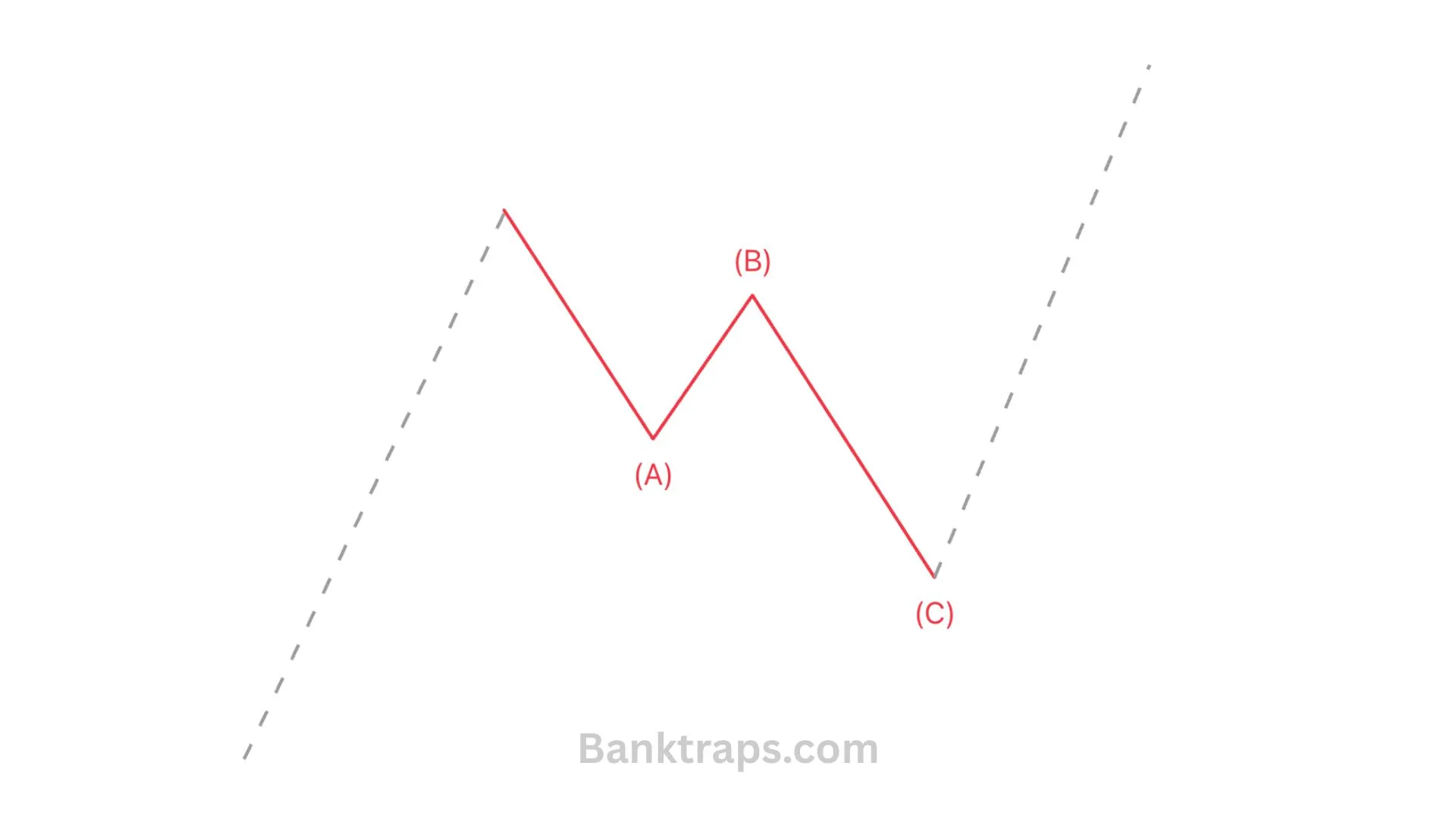 Figure 3: Corrective wave structure in an uptrend
Wave B is the most common trap. Many new traders see price rising again after wave A and conclude that the uptrend has resumed.
The end of wave C = the completion of 1 8-wave cycle. After that, a new cycle of 8 waves at a larger degree begins.
The Role of Each Wave in the Cycle
In an Elliott wave cycle, each wave has one of two functions:
- Actionary: moves in the direction of the larger trend → pushes the market forward.
- Reactionary: moves against the larger trend → a temporary retracement.
| Function | Corresponding waves |
|---|---|
| Actionary | 1, 3, 5, A, C |
| Reactionary | 2, 4, B |
The point to note: the function of a wave does not depend on its absolute direction (up or down), but on its direction relative to the larger trend.
For example: In the uptrend in Figure 4, wave A in the corrective phase is a declining wave, but it is still "actionary" because it is pushing in the direction of the larger A-B-C corrective phase. Wave B, on the other hand, moves against that corrective phase, so it is "reactionary" even though it is a rising wave.
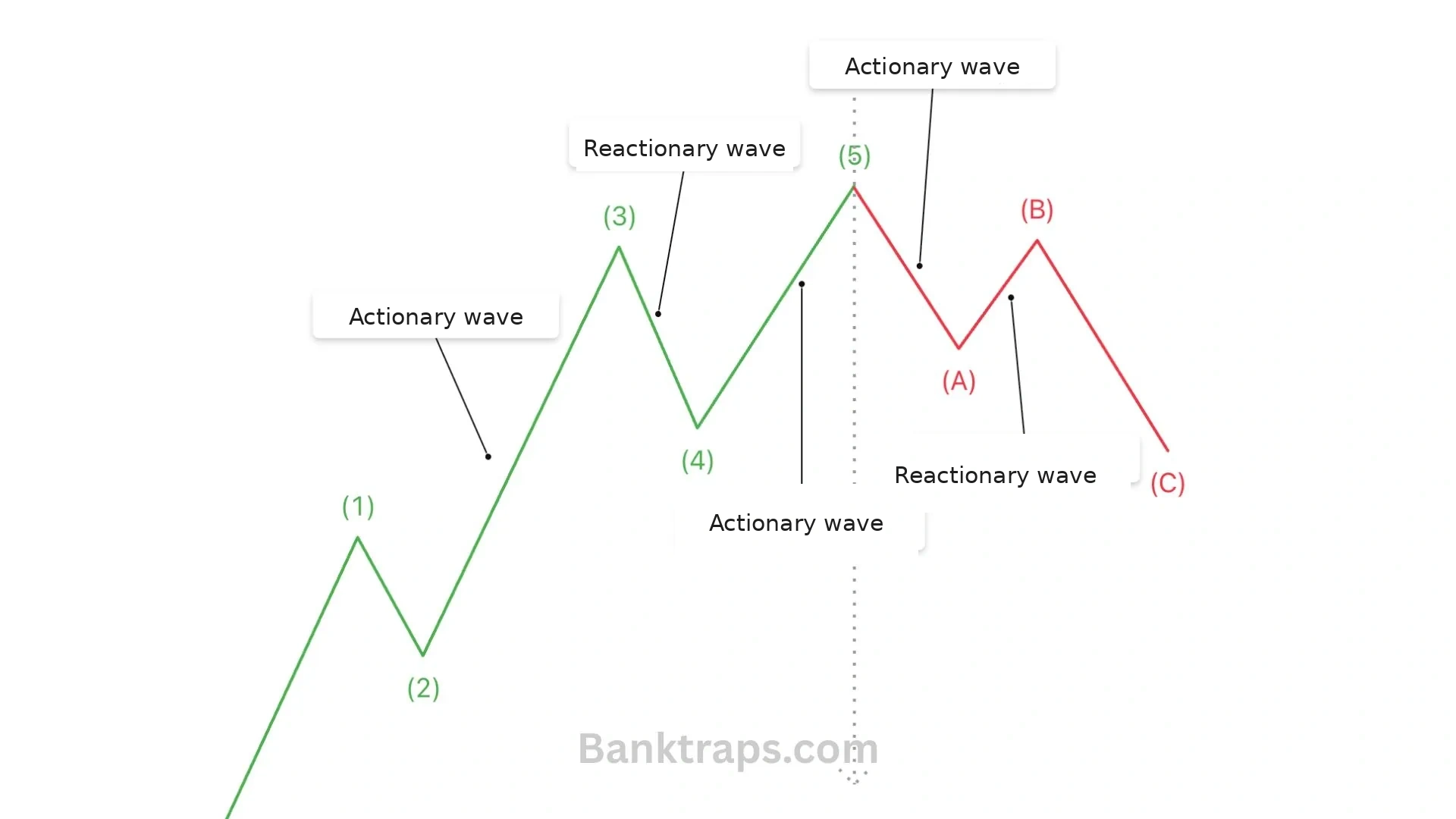 Figure 4: The function of each wave in Elliott
Distinguishing between these two functions has practical significance: it helps you know where the wave you are observing is "pushing toward," rather than just looking at the direction of price.
Looking back at Figure 4, if wave B breaks above the top of wave 5, many traders think this is a break of structure (BOS) but fail to recognize that wave B is only a "reactionary" wave of the A-B-C correction. The market cannot rise right away yet because it is still missing the "actionary" wave, wave C.
The Fractal Nature of Elliott Wave: Waves Within Waves
The fractal property: Each wave in that 8-wave cycle is itself a smaller cycle with a 5–3 structure inside it.
Each large motive wave is composed of 5 smaller waves inside it. Each large corrective wave contains 3 smaller waves inside it. And each of those smaller waves continues to subdivide following exactly the same structure. Every Elliott wave cycle contains smaller cycles within it.
This is the self-similar property — the same pattern repeating at every degree. In modern mathematics, this is precisely the characteristic of fractal geometry. What is noteworthy is that Elliott discovered this in the 1930s, before the concept of fractals was formalized by Benoit Mandelbrot in the 1970s.
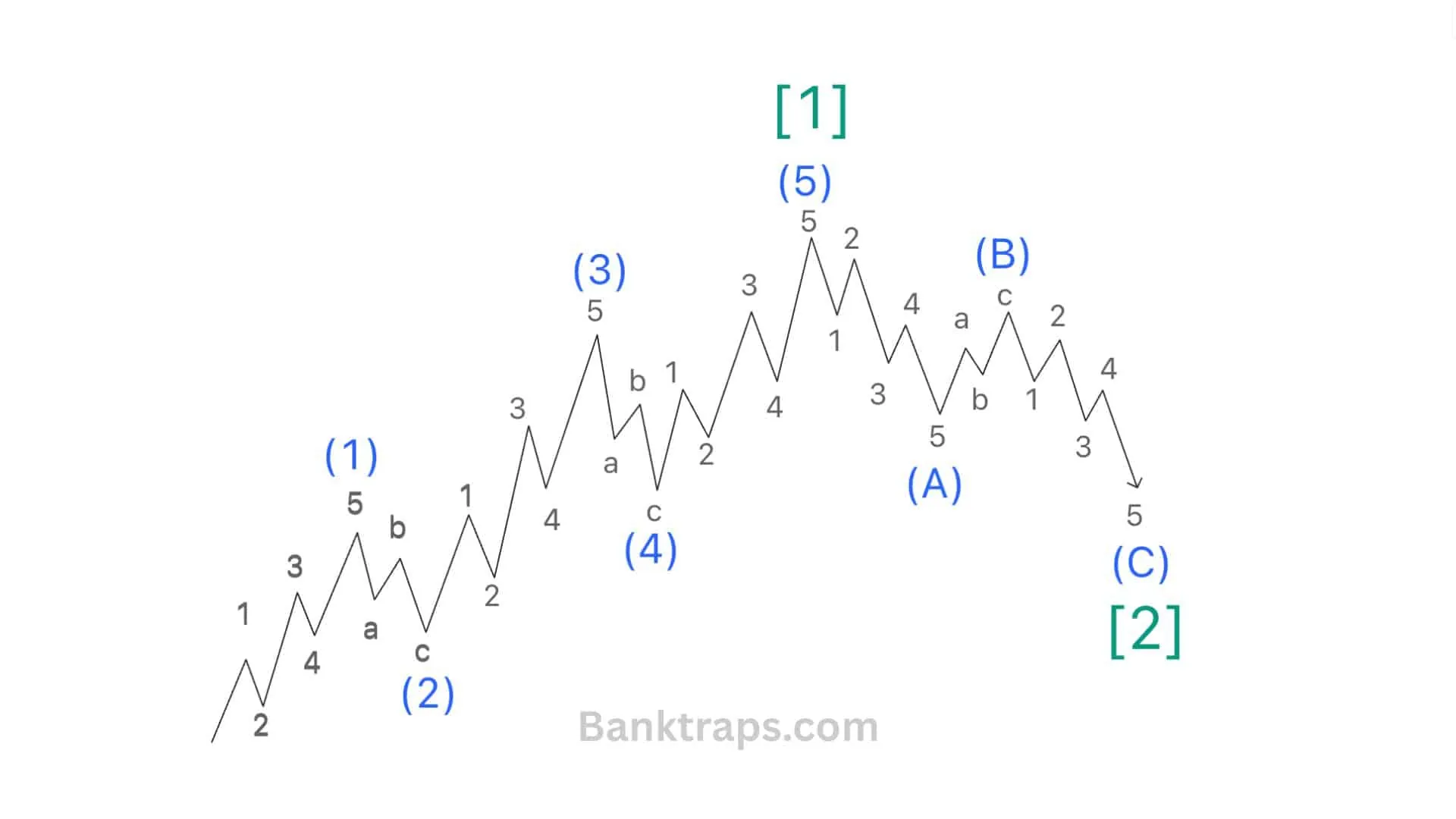 Figure 5: The fractal nature of Elliott waves
In Figure 5, waves (1), (3), and (5) are motive waves made up of 5 smaller waves. Meanwhile, waves (2) and (4) are corrective waves made up of 3 smaller waves. Waves (1), (2), (3), (4), and (5) combine to form motive wave [1] at a larger degree.
Also in Figure 5, in the corrective wave (A-B-C), waves (A) and (C) are motive waves made up of 5 smaller waves, and wave (B) is a corrective wave made up of 3 smaller waves. Waves (A), (B), and (C) combine to form corrective wave [2] at a larger degree.
Wave Subdivision Table
When the 5–3 structure nests across multiple degrees, the number of waves increases according to a specific pattern:
| Degree | Impulse | Correction | Total cycle |
|---|---|---|---|
| Largest | 1 | 1 | 2 |
| Subdivision 1 | 5 | 3 | 8 |
| Subdivision 2 | 21 | 13 | 34 |
| Subdivision 3 | 89 | 55 | 144 |
How to read this table: at the largest degree, you have 1 motive wave and 1 corrective wave, making 2 waves. When you look inside the structure of those 2 waves, you see 5 + 3 = 8 waves. Continuing to subdivide inside those 8 waves, you have 21 + 13 = 34 waves. And so on.
Look at the number columns: 1, 2, 3, 5, 8, 13, 21, 34, 55, 89, 144 — this is the Fibonacci sequence.
This is no coincidence. When the 5–3 structure nests within itself across degrees, it naturally generates Fibonacci numbers. This is why Fibonacci ratios (0.618, 1.618…) appear continuously in Elliott wave price targets and retracement levels. Lesson 13 in this series will go deep into the Fibonacci part. Here, you only need to recognize that this connection has a structural basis — it is not arbitrary.
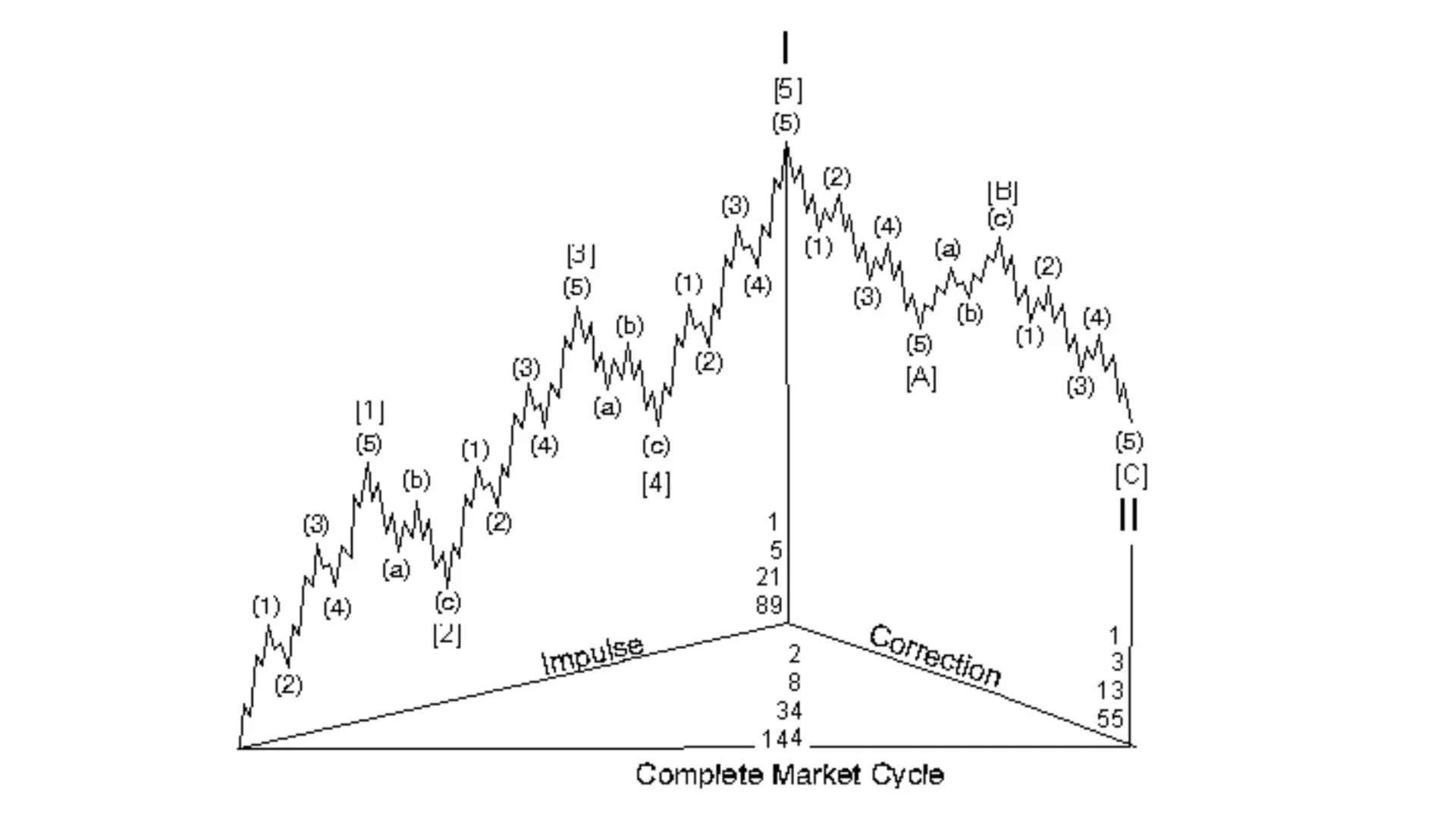 Figure 6: Wave subdivision (original figure from the book Elliott Wave Principle).
What Happens Next When a Complete Cycle Ends?
The end of an Elliott wave cycle does not mean the market ends. That end point automatically becomes 2 sub-waves within a larger-degree cycle that is still unfolding (see Figure 5 again).
The fractal property has an important practical consequence: never look at a 5–3 structure in isolation. Every cycle you are observing is part of a larger cycle, and knowing which "wave number" it is within that larger cycle will completely change how you trade.
From a practical perspective: when you look at a motive wave on a weekly chart and see it "ending," that does not mean the market will reverse immediately. It may have just completed wave 1 in a larger 5-wave structure unfolding on the monthly chart. The fractal property is why identifying the wave degree is just as important as counting waves.
The mandatory consequence: when you determine the market's current position, you do not just ask "which wave is this?" — you must ask "which wave is this at which degree?" These two questions have completely different answers and lead to different trading decisions. This is why Wave Degree is the next concept you need to master.
For example: if the 8-wave cycle you just counted is wave 1 in a larger structure, then what follows will be a corrective wave 2, not a reversal of the main trend.
Identifying "which wave degree you are at" is the topic of Lesson 2 in this series (Wave Degree). In Lesson 1, you only need to remember: the 5–3 structure does not stand alone — it is always part of a larger structure.
Applying Elliott Wave Cycle Identification to Bitcoin
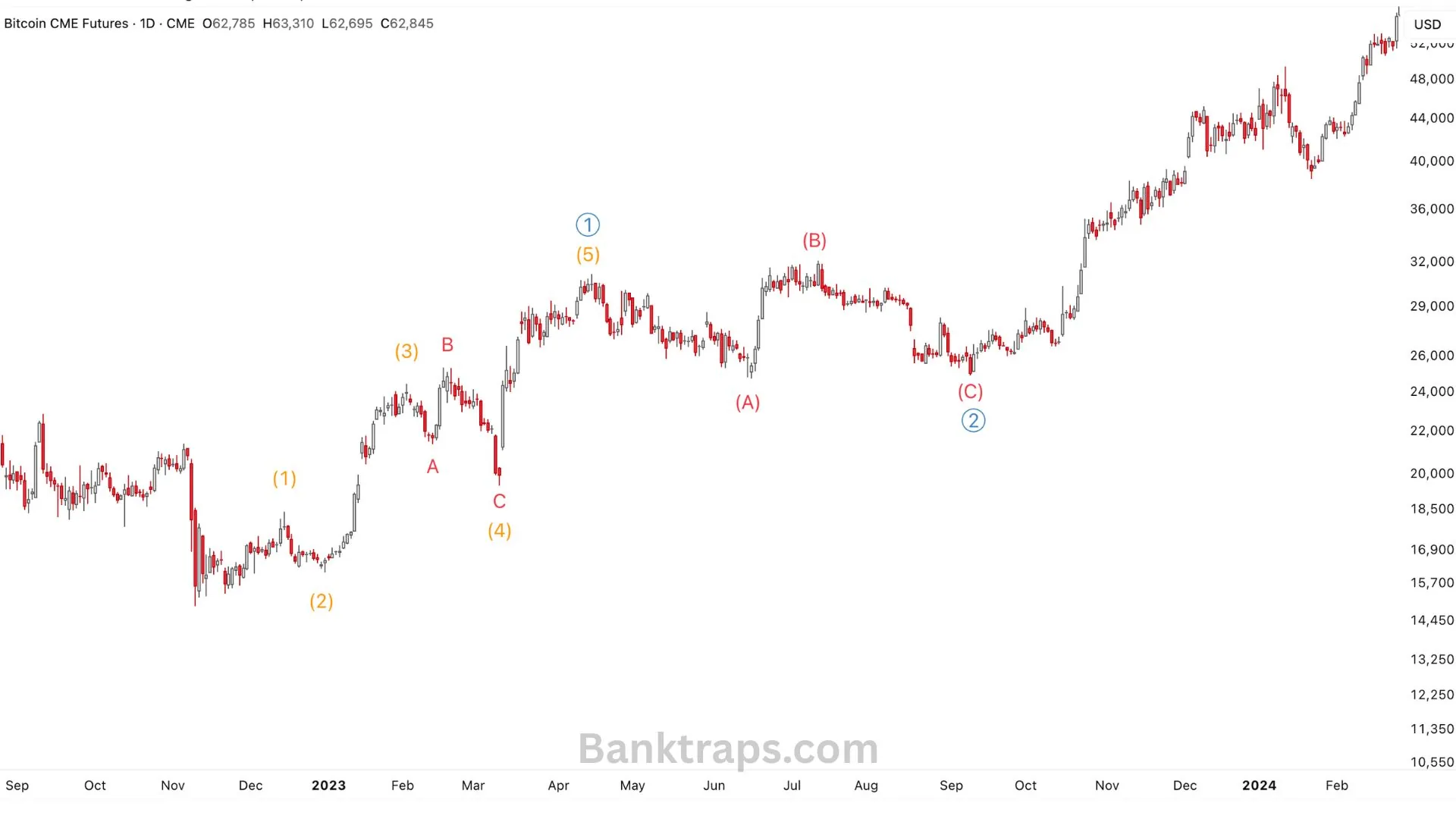 Figure 7: Bitcoin's Elliott wave cycle on the daily timeframe
In Figure 7, after completing a motive wave consisting of 5 waves from (1) to (5), Bitcoin's price corrected into 3 waves (A)-(B)-(C) → meaning Bitcoin has ended its 5-3 8-wave cycle.
According to the "fractal" property, Bitcoin has in fact only just ended wave 2 at a larger degree, and price will continue to rise very strongly to complete this larger Elliott wave cycle.
This example is simply visual identification, not an accurate wave count with all the rules. Practical wave counting (with the hard rules, guidelines, and internal structure confirmation) will be covered in Lesson 4 on the Impulse Wave and Lessons 15–16 on practical trading thinking.
Summary — What You Need to Remember from This Lesson
- 1 complete Elliott wave cycle = 8 waves: 5 motive waves (1–2–3–4–5) + 3 corrective waves (A–B–C).
- The odd-numbered waves (1, 3, 5) are actionary; the even-numbered waves (2, 4, B) are reactionary. The role depends on the relative direction, not the absolute direction.
- 5–3 is the minimum structure that allows the market to both oscillate and create a trend.
- Fractal property: each large wave contains smaller waves with the same 5–3 structure inside it.
- The subdivision table naturally creates Fibonacci numbers → the reason Fibonacci has value in Elliott Wave has a structural basis.
- Every 8-wave cycle is always part of a larger cycle → never read a structure in isolation.
In the next lesson, Trading Hub 3.0 will explain why the same 5–3 structure can appear on a scale of a few hours as well as a few decades, and how to distinguish them using the Wave Degree system.
Frequently Asked Questions About the Elliott Wave Cycle
Which markets does the 8-wave cycle apply to?
Elliott developed this theory from U.S. stock market data, but the 5–3 structure has been confirmed across many other markets: forex, commodities, cryptocurrencies, and indices. One notable difference: in commodity markets, the wave extension often appears in wave 5 instead of wave 3 as in stocks. The structural principles remain the same, but the characteristics of each wave may differ.
Why do I sometimes count 9 waves instead of 8 in a cycle?
This is a sign of a wave extension. One of the actionary waves (usually wave 3 or wave 5) is extended and subdivides into 9 sub-waves instead of 5. Technically, this is still a 5-wave structure — it is just that one of those waves subdivides more clearly at the same degree.
Do corrective waves always have 3 waves, or can they sometimes have more?
Three waves is the basic structure, but corrective waves can become more complex through combination forms such as the Double Three (W–X–Y, 7 waves in total) or the Triple Three (11 waves). What they all have in common is that they are all odd multiples of 3. The most important rule: a corrective wave is never 5 — if you count 5 waves against the trend, that is a motive wave at a larger degree, not a simple corrective wave.
How long does an 8-wave cycle take to complete?
There is no fixed answer! Elliott Wave is not tied to absolute time. A cycle can complete in a few hours on the M15 timeframe, or last many decades at the Supercycle degree. What determines it is the wave structure, not time. This is a fundamental difference from fixed cycle theories, which assume the market repeats at regular time intervals.
5/5 - (1 vote)
Read structure 10x faster with JUKA
JUKA maps SMC structure — swings, BOS, CHoCH and inducement zones — automatically on any TradingView chart. No more hand-drawing structure for hours.
Get JUKA — $150